BLOG
Home Blog
Our Blog .
The Ultimate Guide to Digital Media Marketing .
Digital marketing helps businesses grow online through SEO, social media, and ads. It increases visibility, attracts targeted audiences, builds brand trust, and drives conversions with data-driven strategies for measurable results.
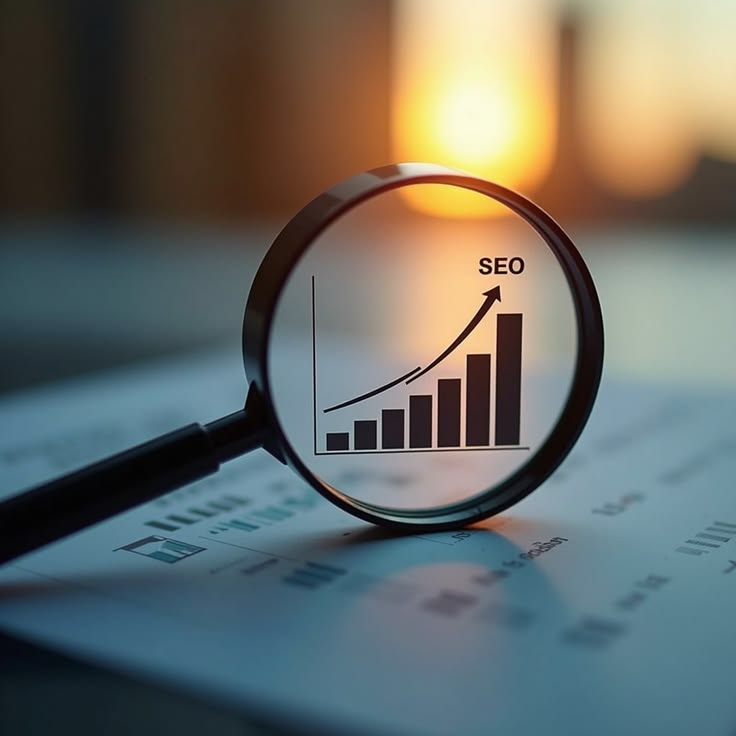
What is Technical SEO?
Technical SEO refers to… optimizing your website’s infrastructure to help search engines access, understand, and index your site effectively. It includes elements like website speed, mobile-friendliness, secure connections (HTTPS), structured data, and proper URL architecture.
Best Practices for Technical SEO
- Optimize Core Web Vitals (loading, interactivity, visual stability)
- Use canonical tags to avoid duplicate content
- Implement proper redirects (301 redirects)
- Improve website architecture and navigation
- Compress images and files for faster loading
- Use lazy loading for images
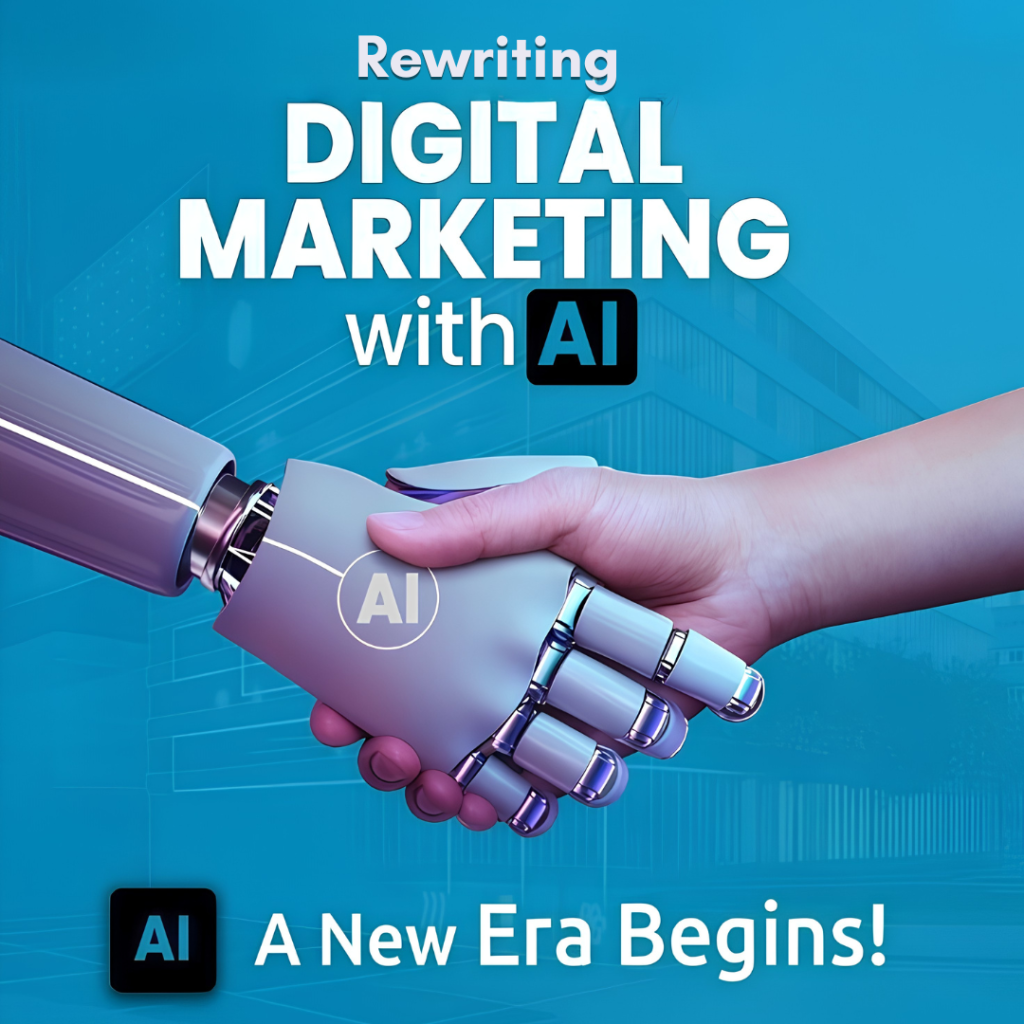
How AI is rewriting the rules of digital marketing in 2026 ?
Artificial intelligence has moved from a buzzword to the backbone of modern digital marketing. In 2026, brands leveraging AI tools for content creation, audience segmentation, and predictive analytics are seeing up to three times better ROI than those relying on conventional methods. Tools like Claude, ChatGPT, and Gemini are being used to draft ad copy, personalise email sequences, and even suggest optimal posting schedules. The shift is not just about automation — it’s about hyper-relevance. AI enables marketers to deliver the right message to the right person at the right moment, dramatically reducing wasted ad spend. For small businesses, this levels the playing field against large corporations. Marketers who embrace AI as a creative partner rather than a replacement will thrive in this new landscape. Start by integrating one AI tool into your workflow this week and measure the impact within 30 days.
Local SEO in 2026: the tactics that are driving foot traffic and calls ?
Local SEO has never been more competitive — or more rewarding — than it is in 2026. Businesses that invest in their Google Business Profile, generate a steady stream of genuine reviews, and publish hyperlocal content are consistently capturing the top three positions in local map packs, which now receive over 60% of clicks for location-based queries. Review velocity matters as much as overall star rating: Google’s algorithm favours businesses that receive regular fresh reviews over those with a large but stagnant collection. Responding to every review, positive or negative, within 24 hours signals active management and improves ranking. Hyperlocal content — blog posts, service pages, and FAQs specific to your city, neighbourhood, or local events — helps Google understand exactly where you operate and who you serve. Pair this with consistent NAP (name, address, phone) information across all directories, and you have a foundation for local dominance that competitors without a clear strategy will struggle to overcome.
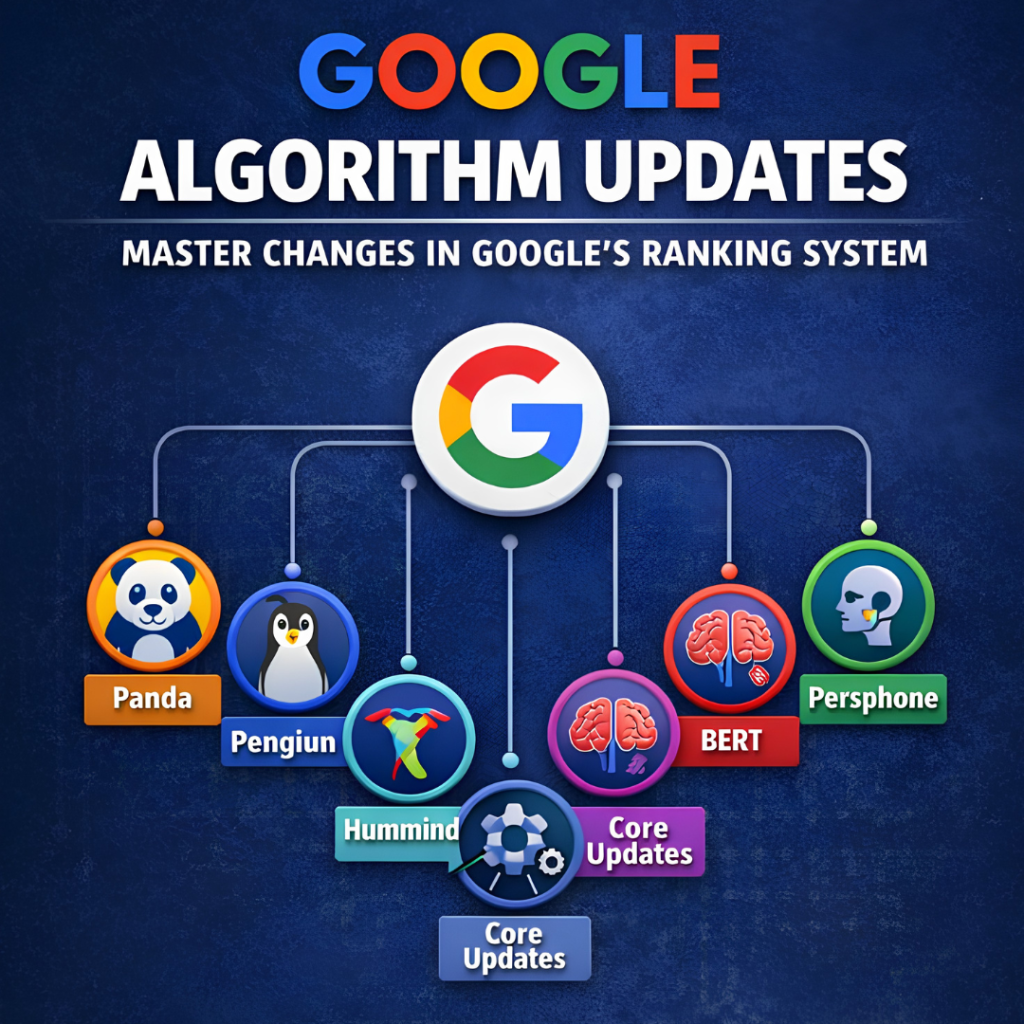
Google's 2026 algorithm update: what changed and how to adapt fast ?
Google’s March 2026 core update sent ripples across the SEO community. Websites that saw ranking drops shared one common trait: thin, keyword-stuffed content designed for bots rather than people. The update reinforced Google’s commitment to its Helpful Content framework, now powered by Gemini-based classifiers that assess context, depth, and authority. Winning pages demonstrate real expertise, cite credible sources, and answer follow-up questions users commonly have. Technical SEO remains important — Core Web Vitals, mobile-first indexing, and structured data still matter — but content quality is now the dominant ranking factor. To adapt, audit your existing content library for shallow articles and either expand them significantly or consolidate them into comprehensive guides. Focus on building topical authority in your niche rather than chasing every keyword. Sites that treated this update as a prompt to genuinely help their audience are already seeing recovery and growth.
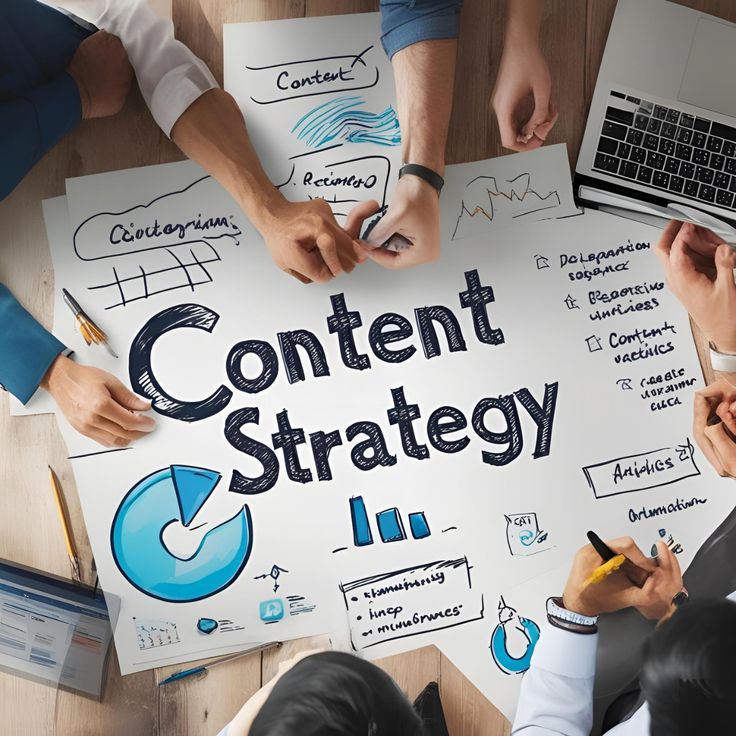
The 80/20 content strategy that's tripling engagement for small brands ?
The ‘publish more, rank higher’ era is over. Research from leading content marketing platforms in 2026 consistently shows that brands publishing fewer, higher-quality pieces and investing more in distribution are growing three times faster than those flooding feeds with mediocre posts. The 80/20 content rule flips the traditional approach: spend 20% of your time creating and 80% distributing and repurposing. One great blog post can become a Twitter thread, a LinkedIn carousel, a YouTube Short, a podcast episode, and an email newsletter — all from a single idea. This approach also builds deeper audience connections. When every piece you publish genuinely educates, entertains, or solves a problem, your audience begins to trust your brand as a reliable resource. For GraphixMarc’s clients, this strategy has consistently outperformed high-volume publishing. Start by identifying your top five performing pieces and build a repurposing system around them before creating anything new.
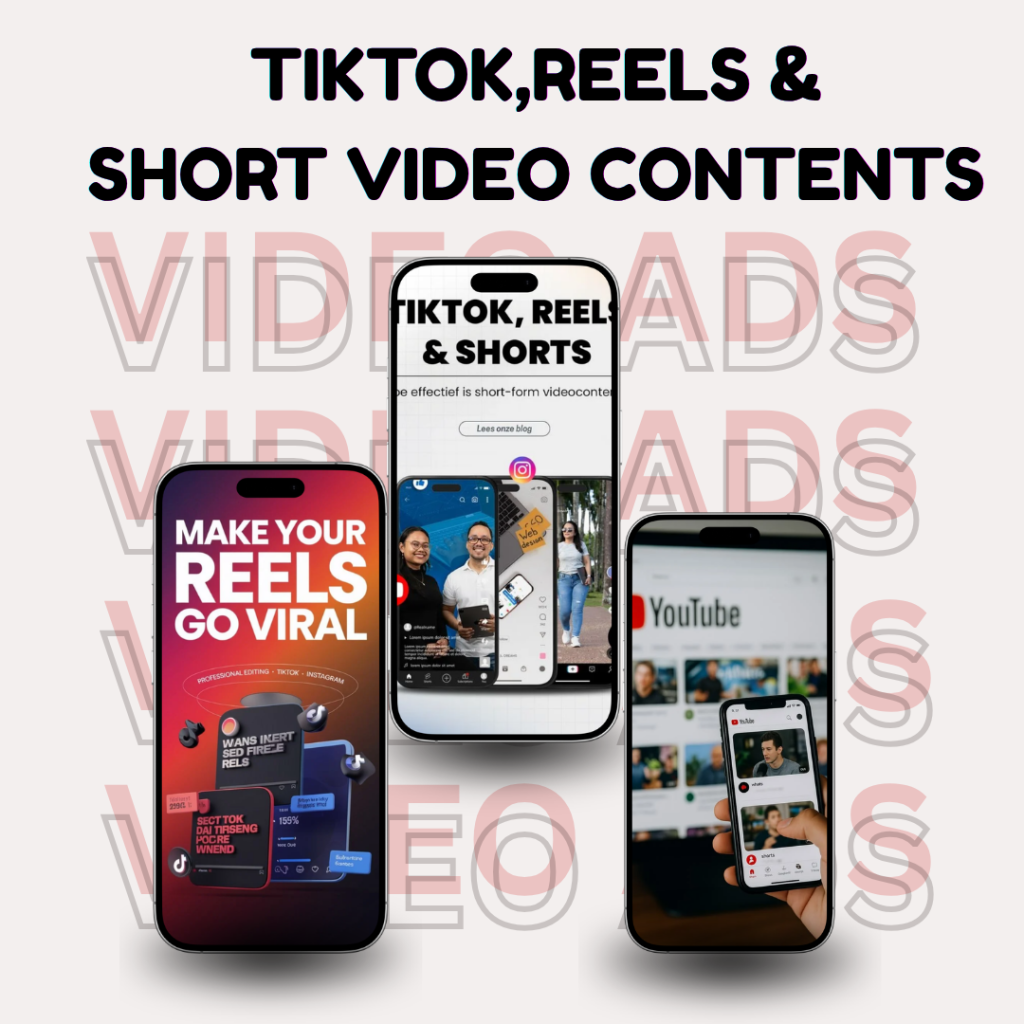
Short-form video is still king — but here's what's beating Reels in 2026 ?
Short-form video dominated 2024 and 2025, but in 2026 the battlefield has shifted. Instagram Reels remains powerful, but savvy marketers are discovering that TikTok’s in-app search function and YouTube Shorts’ SEO capabilities are unlocking entirely new discovery channels. TikTok now processes over 3 billion searches daily, rivalling Google for product and lifestyle queries among Gen Z. Optimising your video captions, on-screen text, and voiceover for searchable keywords can dramatically increase organic reach without spending on ads. YouTube Shorts, meanwhile, benefits from Google’s search index, meaning a well-optimised short can surface in both YouTube and Google search results simultaneously. The brands winning right now are those treating short-form video not just as entertainment but as search-optimised content. Create videos that answer specific questions your audience is already searching for, and you will build a compounding traffic source that pays dividends for months.
Storytelling frameworks that convert readers into loyal customers ?
Data captures attention, but stories create loyalty. The most effective digital marketing content in 2026 borrows from centuries of storytelling tradition to build emotional connections that drive conversions. Three frameworks stand out. The StoryBrand method positions your customer as the hero and your brand as the guide — a subtle but powerful shift that makes audiences feel seen rather than sold to. The Problem-Agitate-Solve (PAS) structure is ideal for ads and landing pages: name the problem precisely, amplify the frustration it causes, then present your solution as the relief. The Hero’s Journey works brilliantly for long-form content and brand storytelling — take your audience through a transformation arc that mirrors the journey your best customers have experienced. Whichever framework you choose, specificity is the secret ingredient. Vague stories generate no emotion; concrete, detailed narratives create empathy and trust. When your content makes someone feel understood, the sale becomes almost incidental.
LinkedIn in 2026: why B2B brands are investing here more than ever ?
LinkedIn is experiencing a renaissance in 2026. While organic reach has declined sharply on Facebook and Instagram for business content, LinkedIn’s algorithm continues to reward authentic, insight-driven posts with exceptional reach — often 10 to 20 times that of equivalent posts on other platforms. The key shift is that LinkedIn’s audience is now actively seeking professional development content, industry insights, and honest behind-the-scenes narratives. Text-only posts from credible voices routinely outperform polished graphics. Personal brand content from company founders and executives drives significantly more engagement than company page posts alone. For B2B brands, this is a golden window before the platform becomes oversaturated. Publishing a consistent cadence of three to five thoughtful posts per week, engaging genuinely with comments, and building connections with your target audience can generate qualified leads at a fraction of the cost of paid advertising. If your business serves other businesses and you are not active on LinkedIn, you are leaving serious revenue on the table.

Personalisation at scale: using AI to make every customer feel one-to-one ?
Personalisation was long a promise that only enterprise brands with massive budgets could fulfil. In 2026, AI has democratised this capability for businesses of every size. Dynamic content tools now allow a single email, website landing page, or ad to automatically adapt its messaging, imagery, and offer based on who is viewing it — their location, browsing history, purchase behaviour, or stage in the customer journey. AI-powered segmentation goes far beyond basic demographics, grouping customers by behavioural patterns, predicted intent, and lifetime value potential. Behavioural triggers — automated messages sent when a user takes a specific action, or notably fails to — have become one of the highest-ROI tactics in digital marketing. An abandoned cart sequence powered by AI can recover up to 15% of lost sales. Welcome series that adapt based on how a subscriber engaged with the first email routinely double engagement rates. The brands winning in 2026 are those making every customer feel like the communication was crafted specifically for them — because, increasingly, it was.